
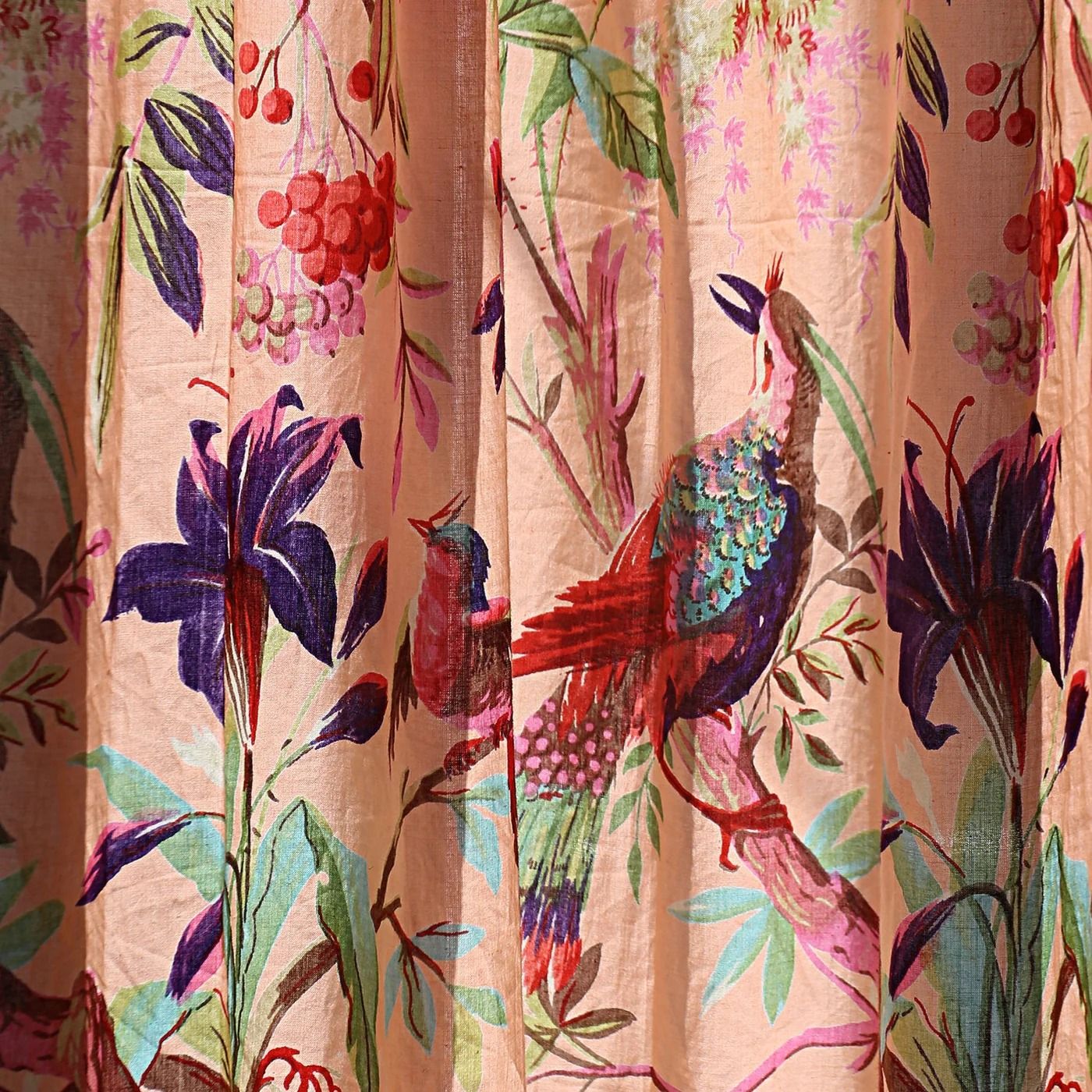
Most people don’t think much about curtains until the room starts feeling incomplete. The sofa is there, the wall paint is done, the furniture is arranged properly — but something still feels missing. In many homes, that missing piece turns out to be the curtains.
Curtains quietly shape the feeling of a space. They control light, add privacy, soften harsh corners, and make rooms feel warmer without demanding too much attention. A good curtain doesn’t scream for attention. It simply helps the room feel right.
Understand the Purpose of the Room
Every room has a different mood, so the curtain should support that mood instead of working against it.
A bedroom usually feels more comfortable with curtains that block outside light properly. Nobody enjoys waking up too early because sunlight hits directly across the face. Living rooms are different. Most people prefer natural light there because it keeps the area open and lively during the day.
In a study room or home office, too much sunlight can create screen glare, while too little light makes the room feel dull. That balance matters more than people realize.
Instead of choosing curtains only because they look trendy online, it helps to think about daily use first. A beautiful curtain that feels inconvenient after a week often becomes frustrating later.
Fabric Can Completely Change the Feel of a Room
Fabric changes the personality of a room faster than most people expect.
Heavy fabrics create a richer and slightly formal atmosphere. Lighter materials make the room feel relaxed and breathable. Cotton remains a favorite because it feels simple, comfortable, and easy to live with. Linen blends also work nicely because they allow sunlight to pass through softly instead of making the room too dark.
Velvet curtains can make larger rooms feel fuller and warmer, especially during colder months. Sheer curtains do almost the opposite. They help smaller rooms feel open, bright, and less crowded.
A lot of homeowners later realize that practical fabrics matter more than fashionable ones. If a curtain becomes difficult to clean or feels too heavy for daily use, people eventually stop liking it no matter how attractive it looked initially.
Choose Colors That Support the Space
Curtains naturally grab attention because they cover such a large part of the wall. Their color can either calm the room or make it feel visually busy.
That’s one reason neutral shades continue to stay popular year after year. Soft beige, ivory, light grey, and earthy shades usually blend easily with changing décor styles. People can replace cushions, rugs, or furniture later without worrying about whether the curtains will still match.
If the room already contains strong colors or statement furniture, softer curtains usually create better balance. But if the room feels too plain, slightly deeper curtain shades can add warmth and character without making the space feel crowded.
Good curtains usually support the room quietly instead of trying to become the center of attention.
Curtain Length Makes a Big Difference
Curtain length affects the overall appearance more than many people notice at first.
Short curtains often make windows look smaller and ceilings feel lower. Even expensive fabric can look awkward if the sizing feels wrong.
Floor-length curtains almost always create a cleaner appearance. Hanging the rod slightly above the window frame can also make the room appear taller without any renovation work.
Small adjustments like these may sound minor, but visually they change the room a lot. Sometimes the difference between an average-looking room and an elegant-looking room comes down to proper curtain fitting.
Layering Creates Better Light Control
Layered curtains have become common in modern homes because they offer flexibility throughout the day.
During daytime hours, sheer curtains allow natural light to enter while still maintaining a bit of privacy. At night, heavier curtains help create a more relaxed and cozy atmosphere.
This combination also adds depth near the windows, making the room feel softer and more finished. Instead of looking flat, the space gains a little texture naturally.
Curtains Also Affect Seasonal Comfort
Curtains are not only decorative pieces. They also affect comfort levels inside the house.
During summer, lighter fabrics help maintain airflow and prevent rooms from feeling overly heavy. In winter, thicker curtains can help reduce cold air near windows and keep rooms feeling warmer.
Homes with large windows especially benefit from this. Strong sunlight throughout the afternoon can slowly fade furniture, flooring, and upholstery over time. Proper curtains help reduce that damage naturally.
Match Curtains with Your Interior Style
Curtains look best when they feel connected to the rest of the room.
Minimal interiors usually work better with clean and simple curtain styles. Traditional spaces often suit textured fabrics or subtle patterns. Modern homes can carry stronger designs if the rest of the room remains balanced.
The goal is not to perfectly match every single item. It’s simply to make the room feel visually comfortable. When curtains, cushions, rugs, and furniture feel connected, the space naturally feels more peaceful and organized.
Don’t Ignore Curtain Hardware
Curtain rods and accessories may look like small details, but they influence the final appearance quite a bit.
Black rods usually create a modern feel, while wooden finishes often feel warmer and softer. Brass hardware can make a room look slightly classic without appearing outdated.
Strong rods also matter practically. Heavy curtains placed on weak rods eventually start sagging, which ruins the overall appearance.
Maintenance Should Match Your Lifestyle
Some curtains look amazing in photographs but become difficult to manage in daily life.
Homes with kids or pets generally need fabrics that are easier to clean and maintain. Light-colored curtains may look beautiful, but they usually show dust and marks faster in busy households.
Many people later appreciate low-maintenance fabrics more because they continue looking fresh without constant effort. A curtain should fit your lifestyle, not create extra stress.
Take Your Time Before Finalizing
Curtains influence the atmosphere of a room every single day, so rushing the decision rarely helps.
Lighting changes throughout the day, which means the same curtain color may look completely different in morning sunlight and evening indoor lighting. Checking samples inside the actual room often prevents disappointment later.
It also helps to see how the curtains work alongside your furniture, rugs, bedding, and other décor pieces before making the final choice.
Final Thoughts
The right curtains do more than improve appearance. They help rooms feel calmer, softer, and more comfortable to live in.
Sometimes, people spend heavily on furniture and décor but still feel the room lacks warmth. In many cases, thoughtful curtains quietly solve that problem. When the fabric, color, length, and lighting all come together naturally, the entire space simply feels better to spend time in.